


 Windy
Windy
 WeChat
 WhatsApp
Windy
WeChat
WhatsApp
Click:413 seen
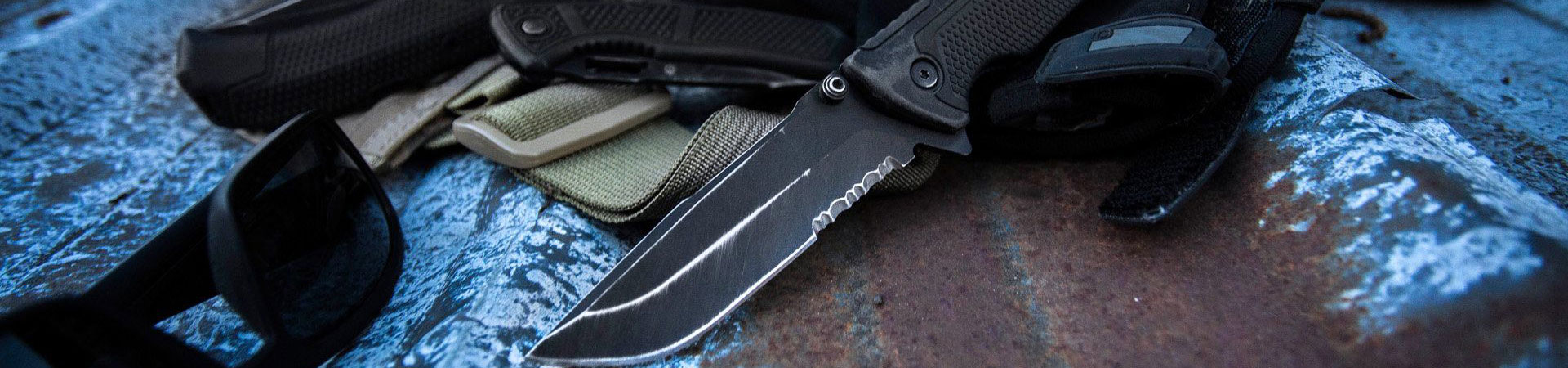
Across tropical rainforests, rural farms, and outdoor expeditions, the machete stands as an icon of human ingenuity—a tool forged from necessity, refined by culture, and reborn in modern design. The machete in focus, with its broad blade and ergonomic grip, is a testament to this legacy, blending historical roots with contemporary utility.

Historical Origins: From Survival to Culture
The machete’s story begins centuries ago, rooted in the need to navigate and thrive in dense, unforgiving landscapes.
Origins in Colonial Era: Historians trace its early forms to 16th-century Latin America, where Spanish colonists and indigenous communities alike developed large-bladed tools to clear vegetation, harvest crops, and defend themselves. These early machetes were crude but effective, crafted from repurposed sword blades or local steel.
Cultural Evolution: Over time, the machete became intertwined with regional identities. In the Caribbean, it’s a staple of sugarcane farming; in Southeast Asia, variants like the parang adapt to jungle warfare and daily life. Even in military history, machetes served as essential gear for soldiers in tropical campaigns, proving their worth in both combat and survival.

Modern Development: Engineering Meets Function
Today’s machete reflects decades of design innovation.
Material Advancements: Modern blades, often made from high-carbon or stainless steel, offer superior edge retention and corrosion resistance—critical for humid, corrosive environments. The textured black blade of this model, with its reinforced spine and weighted tip, is engineered for powerful, controlled swings.
Ergonomic Upgrades: The black polymer handle, with its contoured grip and lanyard hole, prioritizes comfort and security. Unlike traditional wooden handles, it withstands moisture and wear, making it ideal for prolonged use in harsh conditions.
Sheath Innovation: The nylon sheath with red stitching isn’t just for storage—it features a secure strap and belt loop, allowing users to carry the machete hands-free, a far cry from the simple scabbards of the past.

Usage Scenarios: King of the Wild
The machete’s versatility makes it indispensable in countless scenarios:
Jungle & Forestry Work: Clear paths through dense underbrush, chop firewood, or build shelters—its broad blade excels at heavy-duty cutting.
Agricultural Tasks: Harvest crops like sugarcane or coconuts, or maintain fences and fields in rural settings.
Outdoor Recreation: For campers and survivalists, it’s a one-tool solution for everything from preparing kindling to processing game.

Safety & Responsibility: Respect the Blade
While invaluable, machetes demand caution:
Training & Technique: Always learn proper swinging form—overhead or side swings should be executed in clear, open spaces to avoid accidental injury.
Maintenance: Regularly clean and oil the blade to prevent rust; sharpen it to maintain cutting efficiency (a dull machete is more dangerous than a sharp one, as it requires more force).
Legal Awareness: Regulations vary by country and region—ensure you understand local laws regarding machete ownership and use, especially in urban or protected areas.
The machete is more than a tool—it’s a bridge between history and modernity, a symbol of human resilience in the face of nature’s challenges. Whether clearing a path through the Amazon or prepping camp in a North American forest, this “jungle beast” continues to prove that sometimes, the oldest solutions, refined by innovation, remain the best.


YJ GIS Industrial Limited

Windy

+ 86-13751611669


R-403, Block 14,Lakeside Villa, XinJiang Bei Rd, YangJiang, GuangDong, China. 529500

 + 86-13751611669
 + 86-13751611669
 windy.zhong
 windy@goldinsea.cn
